A Practical Guide to Giving Flowers to Care Homes
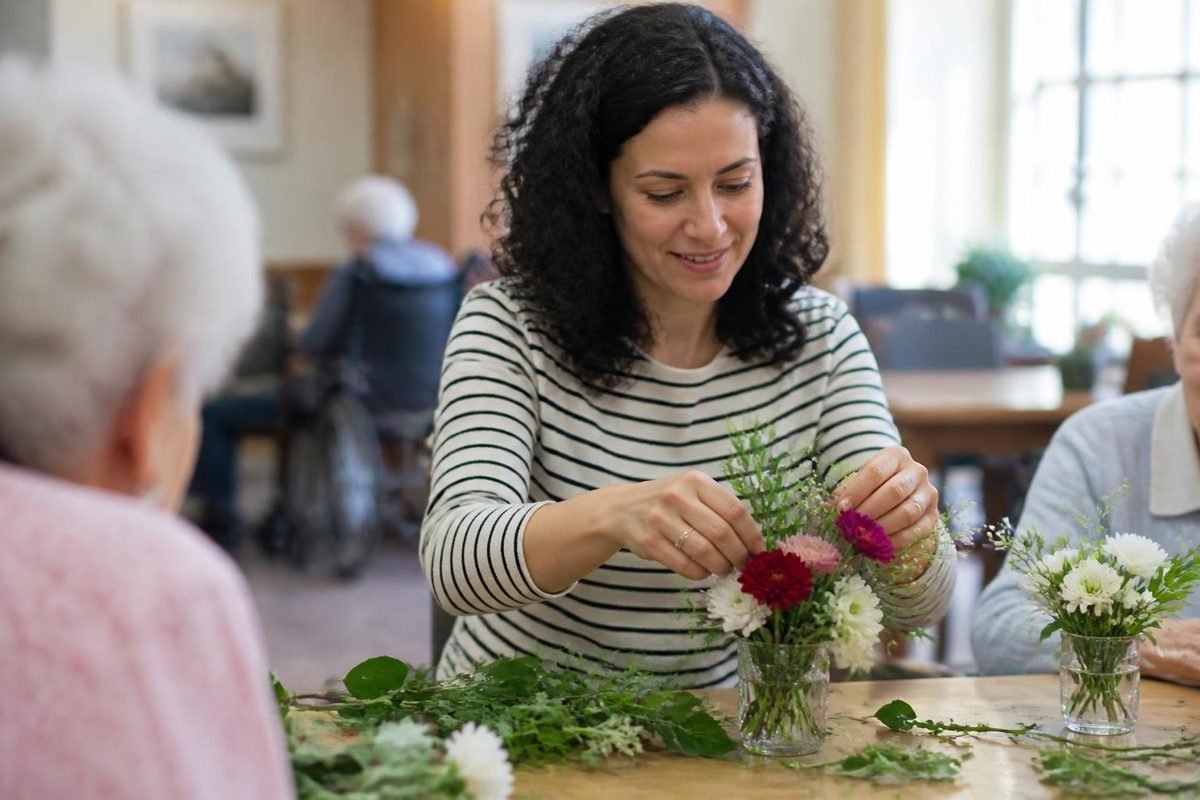
Flower shops can offer surplus blooms to nursing homes by speaking with the staff member who handles activities, volunteers or donations. Check the home's rules and preferences before preparing flowers, and arrange a delivery that staff can manage easily.
Choose a nearby home and get in touch
Look first at nursing homes close to the shop, because less travel can help flowers reach their destination in better condition. Call the home's main telephone number and ask to speak with the person who coordinates activities, volunteers or donations. That contact can explain what the home is able to accept and identify the right person to receive a delivery.
Be clear about the amount you can provide and how often you might have flowers available. For example, a shop with a small number of spare stems on Fridays could offer simple posies. A shop with more flowers to share might be able to provide materials for a group activity. Do not offer a repeating schedule unless you are confident you can keep it up.
Ask what the home would find useful before putting arrangements together. Staff might want flowers in a shared room instead of residents' bedrooms, or they may be interested in stems for an arranging session with supervision. Finding out in advance helps ensure the donation is welcome and does not leave staff with extra tasks.
Ask about rules and preferences
Nursing homes may set limits on the flowers they accept, the containers they use and the places where arrangements can go. Some residents may have allergies or sensitivities, so do not decide on your own that a particular flower is suitable throughout the building. Ask staff to guide those choices.
Before bringing a first donation, confirm the practical details with your contact:
- Find out which flowers or fragrances the home would rather not receive.
- Check how many arrangements or individual stems staff can use.
- Ask what kinds of containers are suitable for the home's rooms.
- Agree on the delivery time and location, and confirm who will meet you.
- Clarify who is responsible for replacing water and removing flowers once they fade.
If the home is unable to take flowers on the day you suggest, ask whether a different date is more convenient. Care needs can change, so leaving room to adjust the plan can make the arrangement easier for staff to handle.
Make the flowers simple to receive
Select blooms that are fresh enough to be enjoyed for a few days. Take off damaged petals and any leaves that would be under the water, trim the stems, and put them in clean water. Preparing them this way means staff have less to do after they arrive.
Keep each arrangement small enough to sit on a table without taking up too much room. Choose steady containers that the home has approved, and leave out sharp wire and small, loose decorations. For loose stems, ask the contact how they would like the flowers wrapped or otherwise prepared for the trip.
Arrive at the agreed time and let the contact know what you have brought. Once the first delivery has been used, ask staff how it went and if anything should change. Their comments can help you choose a better quantity, delivery time or kind of flower next time.
Common questions about flower donations
Are flowers that are starting to wilt suitable?
Choose flowers that still have time left to be enjoyed. Blooms that are already wilting may need to be cleared away and give residents little opportunity to appreciate them.
Could residents take part in arranging the flowers?
That may be possible, but ask the activities coordinator before making plans. Staff can decide if a flower arranging session fits residents' needs and what supplies or help would be required.
More to read: how to send a surprise gift